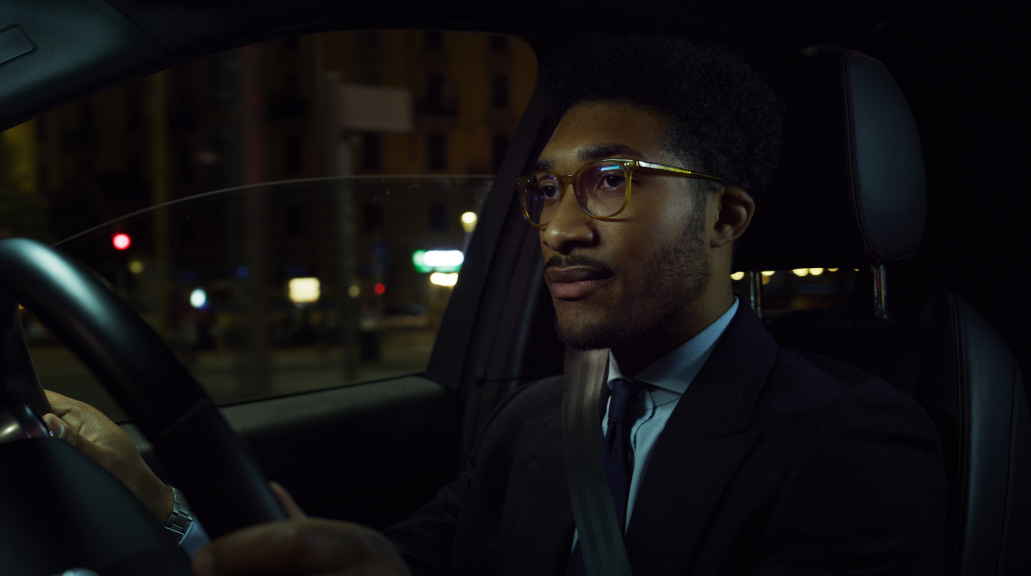
In fact, the College of Optometrists reports that poor visibility, glare and low sun contribute significantly to winter driving strain, and many drivers don’t realise how much their vision is affected until they’re behind the wheel.
“76% of UK drivers see night-time headlight glare as an issue when driving.”
When your lenses are scratched, outdated or not properly coated, these challenges become even more noticeable — and sometimes unsafe. This guide explains why winter driving is so demanding on your eyes, and which lens types will help you see clearly and comfortably through the toughest months.
Why Winter Driving Is So Hard on Your Eyes
Winter light behaves differently, and your eyes must constantly adjust to extreme contrasts.
An RAC survey showed that
“91% of those interviewed reported being dazzled by headlights while driving, and 74% said that this occurred regularly.”
Earlier this year, an AA survey suggested that dazzling headlights were a major factor in road collisions, contributing to 216 recorded collisions in 2023, up from 211 the previous year. Three-quarters of AA Members have told the organisation that LED lights on vehicles were among the factors causing significant visual discomfort.
Visibility drops sharply during winter due to a combination of:
Low, blinding sun
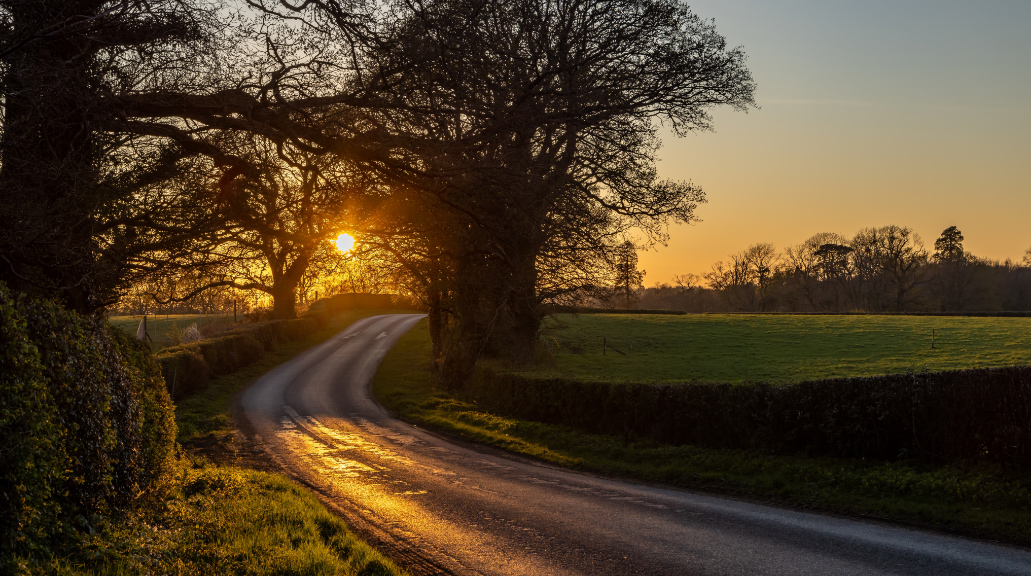
During winter, the sun sits lower in the sky — often directly in your line of sight when driving. On wet roads, this creates intense reflections and glare.
Headlight glare from oncoming traffic
Modern LED headlights are brighter and whiter. The glare from LED headlights is one of the most common complaints from winter drivers, especially at night.
Glare from rain, sleet and spray
When water sits on the road surface, it creates a “mirror effect,” scattering light in unpredictable ways. This reduces contrast and makes it harder to judge distance — especially during overtaking or merging.
Reduced daylight hours
Most winter driving happens in dim light or full darkness, meaning your eyes work harder for longer periods.
Increased fatigue
Tired eyes + poor visibility = slower reaction times and reduced comfort.
Winter driving isn’t just a visibility problem — it’s a visual comfort problem. This is why choosing the right lenses matters more in winter than any other season.
The Best Lenses for Winter Driving
To drive safely and comfortably through winter, you need lenses that improve contrast, reduce glare, and help your eyes adapt quickly between bright and dark environments. Here are the lens types that genuinely help.
1. Anti-Glare Lenses — A Winter Essential
Anti-glare coatings reduce reflections from the front and back of your lenses, helping you see more clearly in low light and at night. They:
- Reduce halo effects around headlights
- Improve contrast on wet or reflective roads
- Make dashboard information easier to read
- Reduce eye strain after long drives
Basic anti-glare helps — but ULTIMA anti-glare provides noticeably better comfort. ULTIMA is particularly effective in winter because it combines:
- FREE upgrade to the next thinner lens index
- Scratch resistance
- Anti-glare
- UV protection
- Easy clean
- Anti-smudge
- 12-month warranty
- Priority processing
This is Lensology’s best-performing winter-driving option. Find out more about our ULTIMA anti-glare lens coating.
2. Transitions® XTRActive® — Designed for Low Winter Sun
Transitions® GEN S™ lenses don’t work inside the car — windscreens filter out UV, so the photochromic lenses don’t fully darken. But Transitions® XTRActive® do activate behind the windscreen, making them ideal for winter:
- They tint behind the car windscreen
- They reduce glare from low sun
- They adapt instantly when entering tunnels or shaded roads
- They stay slightly tinted indoors, reducing harsh indoor lighting
If winter sun gives you headaches or squinting, XTRActive® is a game-changer. Discover Transitions® XTRActive photochromic lenses.
3. Winter Sunglasses for Driving
Yes — sunglasses are still essential in winter. Grey and brown tints provide the best clarity for driving because they:
- Maintain natural colour recognition
- Improve contrast
- Reduce extreme brightness from low sun
Avoid heavy fashion tints or mirrors for driving — save those for lifestyle use.
Note: Polarised lenses aren’t always suitable for driving because they can make some digital dashboard displays harder to read.
4. Digital & Lifestyle Lenses
If your winter involves long periods of driving + digital work, Digital & Lifestyle lenses support the intermediate and near zones:
- Clearer view of your dashboard and satnav
- Less strain when switching between dashboard and road
- Perfect for people who struggle with “in-between” distances
They’re especially helpful for drivers in their 40s–60s experiencing early presbyopia.
5. Why Your Prescription Matters More in Winter
Even a small change in prescription affects:
- Focusing speed
- Reaction time
- Contrast
- Peripheral sharpness
If you’ve noticed squinting, headaches or blurred edges, new lenses will make winter driving noticeably easier. Regular eye tests are always advisable, as subtle changes can make a big difference in low-light driving.
Signs You Need New Lenses Before Winter Gets Worse
Scratches or worn coatings
Even small scratches scatter light — especially with headlights.
Headlights feel painfully bright
A sign you need better anti-glare coating.
Dashboard or satnav feels blurry
Likely a prescription issue (or worn coatings).
You avoid night driving
A common sign your vision isn’t fully supported.
You’re constantly cleaning your glasses
Fogging, smudges and worn coatings are all signs it’s time to reglaze.

How Reglazing Helps You See Better This Winter
Reglazing lets you:
- Keep your favourite frames
- Save money vs buying new glasses
- Choose winter-friendly coatings and lens types
- Upgrade clarity and comfort instantly
- Avoid long optician wait times
- Get lenses crafted by optical experts
This is the fastest, most affordable way to improve your winter vision.
Simple Driving Tips to Support Your New Lenses
- Keep both your lenses and windscreen clean
- Always keep a pair of sunglasses in the car
- Take regular breaks on long drives
- Dim your dashboard brightness at night
These small changes complement your lenses and reduce strain.
Final Thoughts — Clear Vision Makes Winter Driving Safer and Easier
Winter driving challenges your eyes in ways most people don’t realise — but the right lenses make a noticeable difference. Whether you’re struggling with glare, squinting at headlights, or feeling tension in your eyes after evening journeys, upgrading your lenses before the season deepens is one of the simplest ways to improve safety and comfort.